How Home Check Services for Travelers Protect Homes
October 1, 2026 · Kindred Home Support
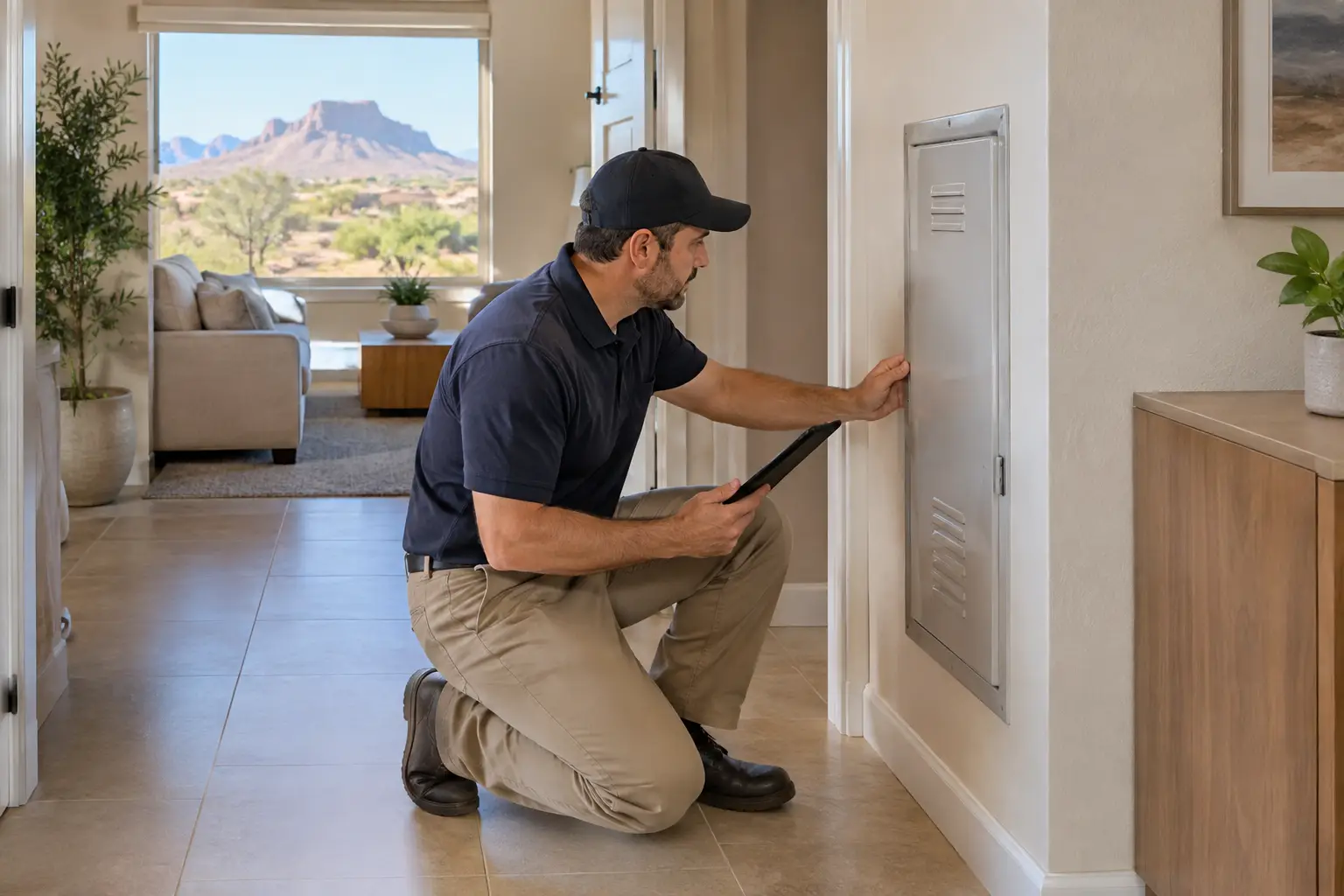
A home can develop a small problem within days of being empty: a leaking toilet, a tripped breaker, an HVAC setting that is not holding, or a package left in plain view. Home check services for travelers give homeowners a dependable local person who can see those issues early, handle appropriate next steps, and document what was found. For frequent travelers, part-time residents, and family members overseeing a loved one’s property, that visibility replaces guesswork with a practical routine.
The value is not simply having someone stop by. It is having scheduled oversight, a defined scope of work, and one point of contact accountable for follow-through. That structure matters when you are several states away and cannot tell whether a minor issue is truly minor.
What Home Check Services for Travelers Should Include
A useful home check begins with the condition of the property, not a quick walk through the front door. The goal is to identify changes that could affect safety, comfort, utilities, or the home’s long-term condition while there is still time to respond.
During a scheduled visit, a home support professional may check for visible water leaks under sinks and around toilets, signs of moisture near appliances, unusual odors, electrical or plumbing concerns, and changes in indoor temperature. They can confirm that doors and accessible windows appear secure, bring in visible packages, and look for exterior concerns such as irrigation problems, storm debris, or a gate left open.
For homes in Southern Nevada, climate control deserves particular attention. Extreme heat can make an HVAC interruption more than an inconvenience, especially in a vacant property. Checking thermostat operation, confirming the home is cooling as expected, and replacing a customer-supplied HVAC filter when needed can help prevent a small comfort issue from becoming a larger property problem.
The best service also considers routine details that are easy to overlook before a trip. Smoke and carbon monoxide detectors may need testing. Refrigerators and freezers may need a quick temperature check. Wi-Fi equipment, smart doorbells, and security cameras can lose connection after an outage or update. A good home check does not assume technology is working just because an app says it is.
Scheduled Visits Create Better Oversight Than Occasional Favors
Asking a neighbor to glance at the house can be helpful, but it has limits. Neighbors may be away themselves, may not know what conditions to watch for, and usually cannot coordinate a vendor, document a concern, or return on a regular schedule. Family members often carry the same burden, especially when a parent travels seasonally or spends time between homes.
Dependable scheduled service creates a repeatable process. The homeowner knows when visits occur. The person completing the visit has a clear checklist tailored to the home. If a concern is identified, there is a defined communication path rather than a string of uncertain text messages.
This is particularly useful for adult children who support an older parent from a distance. A vacant home can add another layer of worry during a hospital stay, a family visit, or seasonal travel. A home check can help preserve a steadier home environment before the resident returns, without requiring relatives to become full-time property managers.
Frequency depends on the property and the season. A short weekend trip may only call for basic preparation. A home left vacant for several weeks may benefit from weekly or recurring checks. Homes with aging plumbing, extensive landscaping, smart-home systems, or a history of HVAC concerns may need closer attention. There is no single schedule that fits every household, but the schedule should be intentional.
Clear Reporting Matters When You Are Away
A completed visit is only useful if you know what happened. Travelers should expect a concise update after each scheduled check, including what was reviewed, what was completed, and whether any follow-up is needed. Photos can be helpful when they clarify a concern, such as visible water near a water heater or a damaged irrigation line.
Reporting should separate routine observations from action items. For example, “thermostat set point confirmed and home cooling normally” is a useful confirmation. “Drip observed under bathroom sink, water supply isolated, plumber contacted with homeowner approval” gives a traveler the information needed to make a decision quickly.
This documentation is also valuable when multiple people share responsibility for a home. Siblings, caregivers, and seasonal residents can work from the same information instead of relying on secondhand updates. It reduces the chance that a concern gets noticed but not acted on.
At Kindred Home Support, scheduled visits are paired with email summaries and a private portal so members and authorized family contacts can see completed work and follow-up needs. For Henderson and Boulder City homeowners, that local accountability can be especially useful when a vendor needs access or a concern requires a second visit.
Know the Difference Between a Check, a Repair, and an Emergency Response
Home check services are designed to spot concerns, complete defined minor tasks, and coordinate the right next step. They are not a replacement for licensed tradespeople, emergency services, insurance coverage, or professional security monitoring.
That boundary protects the homeowner. If a check identifies an active leak, electrical hazard, pest issue, or major HVAC failure, the right response may be to shut off water when appropriate, document the condition, contact the homeowner, and coordinate a qualified vendor. The home check provider should not overstate what can be safely repaired during a routine visit.
Before selecting a service, ask how urgent findings are handled outside normal visit windows. Ask whether the company is insured and bonded, whether team members are background checked, and whether it can coordinate vendors while keeping you informed. Also confirm whether vendor charges are separate from membership fees and whether approval is required before work begins.
Those details may sound administrative, but they are what make travel support dependable. A vague promise to “keep an eye on things” does not establish responsibility. A written scope, scheduled service window, and documented escalation process do.
Prepare Your Home Before You Leave
A home check service works best when the property is ready for oversight. Before leaving, give the provider current contact information, a preferred order of contacts, access instructions, and the names of any approved vendors. Let them know about known quirks, such as a sticky exterior gate, a temperamental garage opener, or a sink that occasionally drains slowly.
It also helps to make a few decisions in advance. Identify the temperature range you want maintained, explain whether mail should be collected, and establish the spending limit for minor supplies or pre-approved vendor dispatches. If a family member should receive updates, provide clear authorization rather than assuming information can be shared.
For longer absences, consider these practical items:
- Set HVAC and water-use expectations appropriate for the season.
- Remove perishable food and confirm refrigerator and freezer plans.
- Secure spare keys, valuables, and important documents.
- Share alarm, smart-device, and gate instructions that may be needed during a visit.
- Provide vendor warranties or service records for equipment with known issues.
These preparations allow the person checking the home to spend less time searching for information and more time resolving preventable problems.
A Better Return Starts While You Are Away
Travel is easier when returning home does not begin with a list of unknowns. A dependable check schedule can mean the air is operating, the entryway is clear, a small leak was caught early, and any vendor work was already coordinated with your approval. For older adults, that consistency can support independence by keeping the home comfortable and functional between trips. For busy homeowners, it preserves time and reduces avoidable property management tasks.
The right service is not the one that promises to do everything. It is the one that clearly explains what it checks, what it can handle, when it will contact you, and how it documents the result. Choose a local partner with defined routines and a willingness to address the small details. Those are often the details that protect your home while you are away.