
Monthly Home Maintenance for Seniors at Home
September 23, 2026 · Monthly Home Maintenance for Seniors at Home
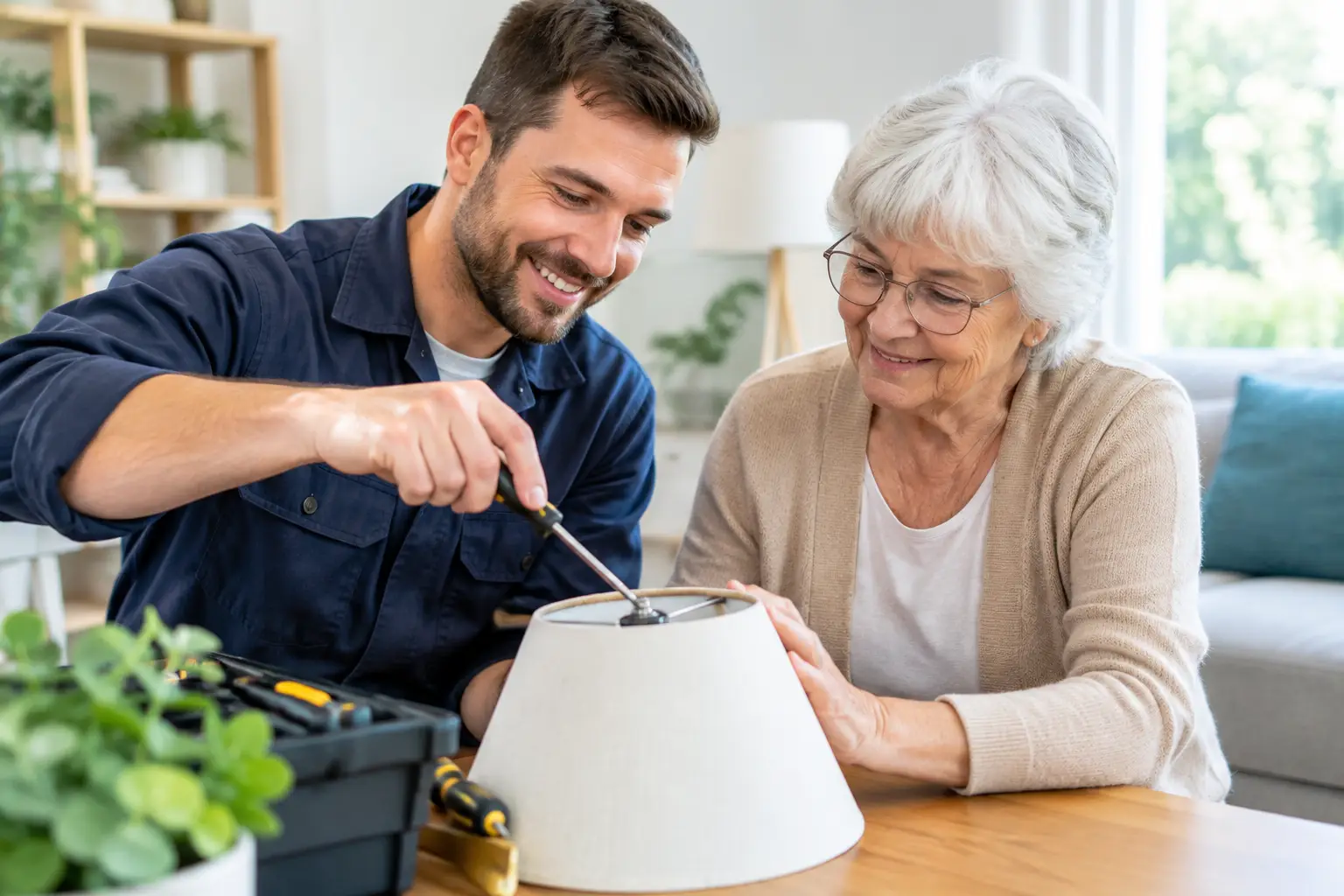
A loose handrail, a burned-out porch light, or an overdue HVAC filter can look like a minor household task. For an older adult living alone, it can become the reason a routine day turns difficult. Monthly home maintenance for seniors creates a dependable rhythm for catching those details before they affect comfort, access, safety, or independence.
The goal is not to turn a home into a medical setting. It is to keep it functioning as a steady, familiar place to live. When the home works well, older adults can spend less time worrying about what needs fixing and more time following their own routines. Families gain a clearer picture of how the property is doing without having to coordinate every small task from a distance.
Why Monthly Home Maintenance for Seniors Works
Home problems rarely arrive one at a time. A struggling air conditioner can make a Nevada summer afternoon unsafe and uncomfortable. A smoke detector with a low battery can chirp for days because replacing it requires a step stool. A loose rug corner may remain in place simply because no one has noticed it during a busy week.
Scheduled maintenance changes the pattern from reactive to preventive. Instead of waiting for a family member, caregiver, or neighbor to discover a problem, the home receives regular attention. A consistent visitor can recognize what has changed since the prior month: a pathway that is becoming crowded, a light that has gone out, a device that is no longer charging, or a faucet that has begun to drip.
This consistency matters after a hospital discharge or a change in mobility. Clinical teams and caregivers may be focused on medications, recovery, mobility, and personal care. They should not have to spend time tracking a furnace filter, arranging a handyman for a cabinet pull, or determining why a video doorbell has stopped sending alerts. A well-maintained home supports the care plan around it.
Monthly service also creates accountability. The useful question is not simply, “Did someone stop by?” It is, “What was checked, what was completed, and what needs follow-up?” Written completion updates give older adults and their families a practical record rather than a vague assurance.
What a Monthly Visit Should Cover
The exact checklist should match the home, the resident’s mobility, the season, and the equipment in use. A one-story condo in Henderson has different needs from a larger Boulder City home with a yard, garage, and visiting family. Still, dependable scheduled service should cover the areas most likely to create preventable disruption.
Safety and access checks
A monthly visit should begin with the places a resident uses every day. Clear pathways, secure rugs, working lights, stable handrails, and unobstructed entrances all help reduce avoidable fall risks. Outdoor checks may include porch lighting, walkways, gates, visible trip hazards, and door hardware.
Smoke detectors, carbon monoxide detectors where applicable, and emergency lighting deserve regular attention. Testing a device is only part of the task. The person completing the visit should also note whether a resident can hear the alert, whether replacement batteries are needed, and whether the device is within its recommended service life.
These checks are practical, but they require appropriate boundaries. Non-clinical home support is not a substitute for a formal home safety assessment by a licensed professional when one is needed, nor does it replace emergency services. It does provide another dependable set of eyes on the everyday conditions that often get overlooked.
Comfort systems and minor home tasks
Comfort is a safety issue in Southern Nevada. During hot weather, air conditioning performance, thermostat settings, clean filters, and clear vents can affect whether a home remains comfortable enough for daily living. Monthly maintenance may include replacing homeowner-provided filters, checking for unusual noises or visible leaks, confirming that the thermostat is readable and operating as expected, and coordinating a qualified vendor when repair is needed.
Other minor tasks often make a meaningful difference: changing accessible light bulbs, tightening a loose cabinet handle, resetting a tripped breaker when appropriate, checking a dripping faucet, or replacing worn weather stripping. Not every issue should be handled as a minor repair. Electrical faults, plumbing failures, roof concerns, structural issues, and work that requires a licensed trade professional should be referred promptly to the right vendor.
That distinction protects the homeowner. A responsible service provider should not stretch beyond its scope just to say yes to a task. The better model is one point of contact that identifies the issue, communicates it clearly, coordinates the qualified provider, and confirms the work was completed.
Technology that supports connection
For many older adults, a phone, tablet, wearable device, smart speaker, or video doorbell is part of the household safety system. It may be how they reach family, request a ride, receive medication reminders, answer the door, or call for help. When it stops charging or loses its connection, the problem can be more than an inconvenience.
A monthly device check can confirm that chargers are accessible, important contacts remain available, software updates have not changed familiar settings, and key devices are paired correctly. It can also identify confusing notifications or a weak Wi-Fi connection before a family member tries unsuccessfully to reach the resident.
Technology help should be patient and practical. The objective is not to add more apps or complicated equipment. It is to keep the tools already in the home usable and understandable.
The Family Benefit Is Visibility, Not More Messages
Adult children often manage support between work, their own households, and travel. They may be happy to help but cannot reasonably be expected to troubleshoot every household concern in real time. The pressure increases when they live outside Henderson or Boulder City and must arrange help from afar.
A monthly home support plan should reduce that management load. After each visit, families should receive a straightforward update: what was checked, what was completed, what supplies may be needed, and whether a vendor follow-up is recommended. Photos can be useful for a specific concern, but the most valuable feature is reliable documentation delivered consistently.
This approach respects the older adult’s independence as well. Family members do not need to call repeatedly asking whether a small issue was addressed. The resident remains in charge of their home while the support system handles the coordination behind the scenes.
Building the Right Monthly Maintenance Plan
The right schedule depends on the home and the person living in it. A homeowner who is fully mobile and comfortable with technology may need basic property oversight and vendor coordination. Someone recovering from surgery, managing limited mobility, or living alone may benefit from more frequent safety checks and assistance with household systems.
Start by walking through the home room by room. Look at the entry, kitchen, bathrooms, bedroom, living areas, garage, and outdoor spaces. Identify tasks that are routinely delayed because they require bending, reaching, lifting, climbing, technical confidence, or transportation. Then separate those tasks into three categories: items that can be handled during a regular visit, issues that need a qualified vendor, and concerns that belong with a health care professional or emergency service.
The plan should account for seasonality. Air conditioning checks and filter changes may need more attention during the hottest months. Before travel, homeowners may want extra property checks, mail or package support, and confirmation that irrigation, lights, and doors are in order. After a discharge home, a near-term visit can help identify whether pathways, lighting, charging stations, and household supplies support a safe return.
Kindred Home Support applies this kind of organized, non-clinical oversight through scheduled visits, completion documentation, and local vendor coordination. The value is not a long list of chores. It is a dependable process that keeps small household issues from becoming larger interruptions.
What to Look for in a Local Provider
Trust is central when someone is regularly entering an older adult’s home. Ask who will perform visits, whether the company is locally accountable, and how it handles scheduling changes. Confirm appropriate insurance, bonding, background checks, clear scope boundaries, and a defined process for documenting completed work.
It is also worth asking how the provider manages vendor referrals. A useful home support partner does not disappear once it has identified a problem. It communicates the issue, helps coordinate the appropriate professional when requested, and follows through so the homeowner and family know the status.
A steady home does not happen by accident. It comes from regular attention to the ordinary details that make daily life safer, more comfortable, and easier to manage. For seniors aging in place, that dependable monthly rhythm can protect far more than the property. It can protect the confidence to remain at home on their own terms.